


In a jaw-dropping revelation that’s causing ripples across the education sector, a public primary school in Kisumu County received a meagre Sh4,000 for its operations even as the national government proudly announced the disbursement of a whopping SH22B to schools across the country.
Yes, you read that right. Sh4,000. Not per student. Not per class. But for the entire school.
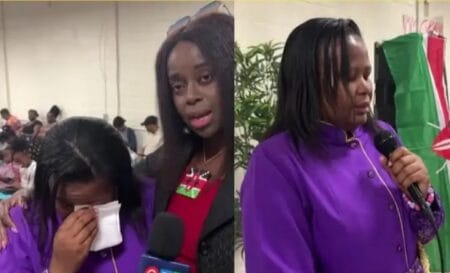
This shocking figure came to light during a candid interview on Citizen TV, where a school headteacher laid bare the grim reality facing institutions that were eagerly awaiting the published capitation funds.
“Four thousand shillings is barely enough to buy chalk and pay for a few days of water supply,” the headteacher remarked, her voice tinged with frustration and disbelief. “How are we supposed to run a school with hundreds of pupils on such a budget?”
The Ministry of Education, through Cabinet Secretary Ezekiel Machogu, had earlier announced the release of Sh14.4 billion for Free Day Secondary Education (FDSE), Sh3.8 billion for Junior Secondary Schools (JSS), and Sh3.7 billion for Free Primary Education (FPE). The funds were said to be aimed at boosting learning activities and ensuring schools operate smoothly in Term Two.
But for some schools, the math just doesn’t add up.
Parents and education stakeholders are now demanding answers. Where is the money going? Is the disbursement equitable? And how many other schools have received similarly paltry amounts?
Social media is already abuzz with outrage. Critics are calling for transparency in the disbursement process, citing fears that many schools could be teetering on the brink of collapse if immediate action isn’t taken.
As the debate rages, one thing is clear: while billions may have been released in Nairobi, on the ground in Kisumu and elsewhere, the struggle is very real. And unless urgent measures are taken, more schools may find themselves operating on shoestring budgets literally.